Television projects Israeli election results, Netanyahu's opponent speaks out
Oct 28, 2026
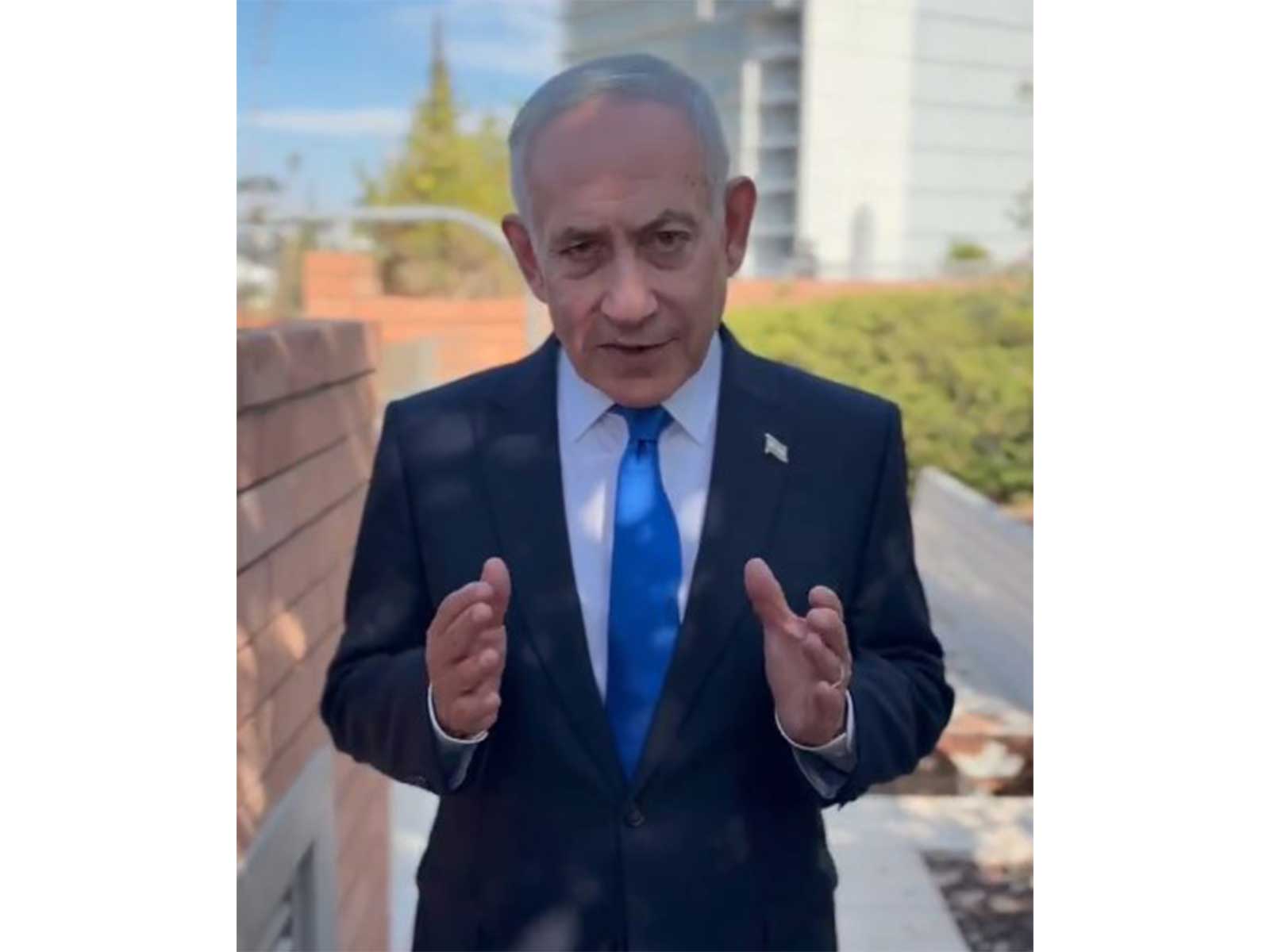
Jerusalem [Israel], October 28: Two television stations predicted that both the Israeli Prime Minister Benjamin Netanyahu's coalition and the opposition would win 51 seats, while another station maintained that the opposition held a narrow lead.
Of Israel's three main television channels, Channels 11 and 13 predicted 51 seats each this morning, October 28, while Channel 12 suggested that the opposition, led by former Israeli Army Chief of Staff Gadi Eisenkot, was in the lead after the October 27 vote.
Earlier, predictions from major Israeli television stations indicated that the opposition would win 53 seats in the parliamentary elections on October 27, while Prime Minister Netanyahu 's right-wing Likud party and its allies would win 50 seats.
Major Israeli television stations reported that the Likud party would be the largest single party in parliament with 24 or 27 seats. Parties representing Israel's Arab community are expected to win between 17 and 18 seats, a significant step forward. Official results will be announced on November 4th.
In a speech to supporters this morning, following the release of opinion polls, Eisenkot said that Israel had chosen change after Prime Minister Netanyahu's leadership, and that he would seek to form a new government.
Yair Lapid, a former centrist Israeli Prime Minister and ally of Eisenkot, described the outcome as a "heavy defeat" for Netanyahu.
Meanwhile, Israeli Foreign Minister Gideon Saar, an ally of Prime Minister Netanyahu, said it was premature for the opposition to declare victory. There has been no reaction from Netanyahu yet.
Mansour Abbas, a key leader of the Arab community in Israel, said he believed the right wing had suffered a major setback and expressed openness to cooperating with Eisenkot.
Previously, Eisenkot had stated that he would not run the government alongside Arab lawmakers. However, Arab lawmakers could support Eisenkot in parliamentary votes, helping to maintain a minority government without having to join the ruling coalition.
With no single party securing a majority of seats, parties representing Israel's Arab community could play a decisive role as politicians enter negotiations, expected to last several weeks, to form a coalition that will reach the 61-seat threshold in the 120-seat parliament.
If no bloc wins a majority of seats to form a new government, a minority government may be formed. If a minority government fails to form, a new election could be held, and Netanyahu would continue to serve as interim prime minister until then.
Earlier, in an effort to win as many votes as possible, Netanyahu accused Arabs in Israel of plotting to "steal the election." His Likud party even requested that the election authorities extend the voting period beyond 10 PM on October 27 (Israeli time), but this request was not granted. These actions led the opposition to believe he was seeking reasons to challenge the election results.
Israelis went to the polls amid ongoing conflicts on multiple fronts in the region. The wounds from the 2023 Hamas attack remain deep, while issues of accountability and security were central to the election campaign.
According to Israel's Central Election Commission, by the time polling stations closed, nearly 78% of Israeli voters had cast their ballots. This is the highest turnout since 2001. Approximately 7.3 million people were eligible to vote, including tens of thousands of Israelis who flew back from abroad to participate in what was considered a crucial election for their country, according to AFP.
Source: Thanh Nien Newspaper