From Gym Supplement to Daily Nutrition: Why Plant Protein Is Finding a Place in Indian Homes
Sep 21, 2026
VMPL
New Delhi [India], September 21: For decades, India's protein supplement market was closely associated with whey protein, gym culture and bodybuilding. That perception is gradually changing. Protein is increasingly being considered not just as a sports supplement, but as a convenient way to complement everyday diets.
The shift is particularly relevant in India, where a large proportion of consumers follow vegetarian diets. For these consumers, plant-based protein powder offers another convenient way to add protein without relying on dairy-based sources.
The modern protein consumer is also becoming more conscious about ingredients, nutrition labels and convenience. Corporate professionals, fitness enthusiasts, home cooks and families are increasingly looking for products that can fit naturally into their daily routines rather than being restricted to a gym environment.
Why plant protein is gaining attention
Several changes are contributing to the growing interest in plant protein.
First, awareness around protein intake is increasing. Traditional Indian meals often revolve around cereals, pulses, vegetables and other staples, but consumers are paying greater attention to whether their overall diet provides sufficient protein. This has encouraged many people to explore convenient sources of additional protein.
Second, consumers are becoming more interested in reading ingredient labels. Instead of looking only at the headline protein number on the front of a package, shoppers are increasingly examining serving size, protein source, added sugar, sweeteners and the wider ingredient list.
Third, protein products are becoming more convenient. The category is moving beyond conventional large tubs, with single-serve sachets, ready-to-mix beverages and unflavoured protein powders designed for use with everyday foods.
Together, these changes are helping plant protein powder in India move beyond its traditional association with specialist fitness consumers.
The role of blended plant proteins
Plant proteins can come from several sources, including peas, rice and soy. Each source has its own nutritional characteristics and amino-acid profile.
This has led manufacturers to combine different plant proteins to create complementary amino-acid profiles. Pea protein and brown rice protein, for example, are commonly used together because their amino-acid profiles can complement each other.
For consumers looking for protein powder for vegetarians, these formulations provide a convenient alternative to dairy-based protein supplements while fitting vegetarian and vegan dietary preferences.
The nutritional quality of any product ultimately depends on its actual formulation. Consumers should therefore look beyond broad claims and examine the protein sources, serving size, nutritional information and, where available, independent testing.
Clean-label expectations are changing
Another important development is the growing focus on ingredients.
Consumers are increasingly interested in what goes into their protein powder, including the types of sweeteners, flavours and other ingredients used. Products positioned around simpler formulations and greater ingredient transparency are consequently attracting attention.
Natural sweeteners such as stevia and monk fruit are being used by some brands as alternatives to conventional artificial sweeteners. Brands are also experimenting with real fruit and nut ingredients to create distinctive flavours and make protein products more relevant to Indian tastes.
However, the term "clean label" should not replace careful label reading. Consumers should still assess the complete ingredient list, protein content, serving size, sugar content and suitability for their individual dietary requirements.
Building protein products for Indian consumers
Indian nutrition brands are increasingly developing products around the country's dietary preferences and everyday eating habits.
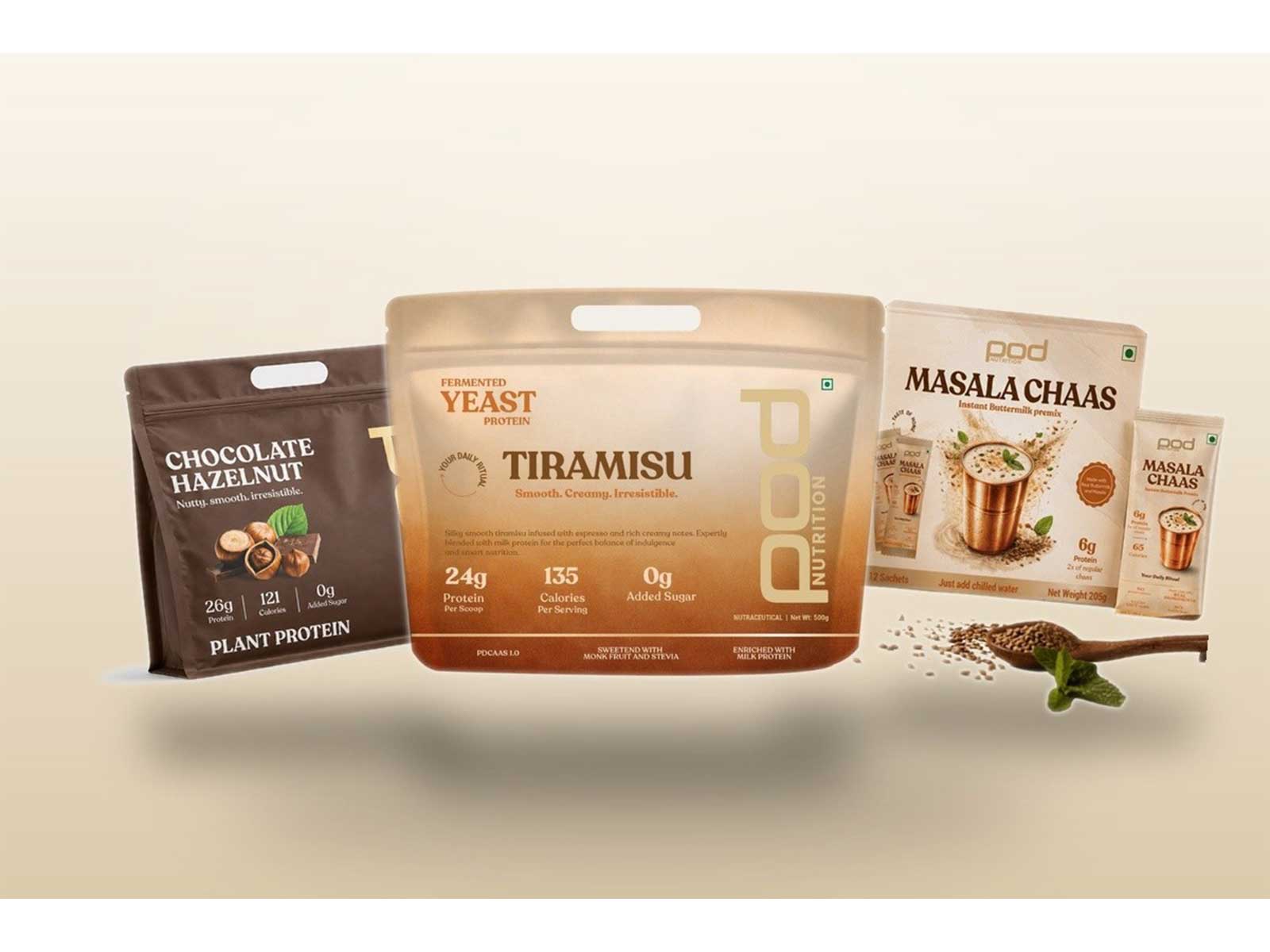
Pod Nutrition, an Indian nutrition brand, is one example of this approach. Its plant protein range combines pea and brown rice protein and provides 26 grams of protein per serving. The range is positioned as a convenient dairy-free protein option for consumers looking to incorporate protein into their everyday routines.
The company has also developed products around Indian consumption habits, including flavours inspired by familiar ingredients and an unflavoured protein designed to be mixed into foods such as atta, dal, oats and other everyday meals.
This approach reflects a broader change in the category: protein products are increasingly being designed not only for post-workout consumption, but also for the kitchen, office and daily household routine.
Beyond traditional plant proteins
The next wave of innovation is also bringing new protein sources into the conversation.
Fermentation-based technologies are being explored to develop alternative protein ingredients, including yeast-based proteins. These emerging sources could expand the options available to consumers beyond conventional dairy and plant protein ingredients.
For consumers, this could eventually mean greater choice across protein sources, formats and applications.
The development of vegan protein powder, dairy-free protein and other plant-based products also reflects a wider shift towards personalised nutrition, where consumers can choose products according to their dietary preferences, nutritional requirements and lifestyle.
The future of protein in India
India's protein market is moving beyond its traditional association with bodybuilding and intensive fitness.
For a growing group of consumers, protein is becoming part of a broader conversation around everyday nutrition. India's large vegetarian population, greater awareness of nutrition labels and demand for convenient food formats are creating opportunities for plant-based protein products to become more mainstream.
The next phase of the category is likely to be shaped by transparency, nutritional quality, convenience and continued innovation in protein sources and formats.
As consumers become more informed, the focus may increasingly shift from simply asking how much protein a product contains to understanding where that protein comes from, what else is in the product and how easily it fits into everyday life.
For India's evolving nutrition market, that For India's evolving nutrition market, that could make plant protein an increasingly familiar part of the modern Indian diet.
(ADVERTORIAL DISCLAIMER: The above press release has been provided by VMPL. ANI will not be responsible in any way for the content of the same)